
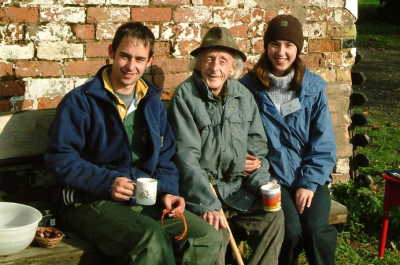
England’s first community-owned farm, Fordhall Organic Farm, is a leading example of the businesses proudly rooted in Shropshire, championing authentic, locally made products.
Looking back to 2006, more than 8,000 people from across the world came together to support tenant farmers, Charlotte and Ben Hollins, helping to save their farm and family home from industrial development. Today, the land is owned by the Fordhall Community Land Initiative, where people can connect with nature, farming, good food and community.
Through Shropshire Chamber’s Made in Shropshire campaign, we are shining light on the value of choosing products made here in the county, putting them front and centre. Fordhall Organic Farm, powered by local and organic produce, flies the flag for the Shropshire rural economy.
Why people should care about where their food comes from
As a local farming business, Fordhall works tirelessly to raise awareness about the importance of responsibly produced, high-quality food.
Charlotte Hollins said, “Food is life, so it should be a priority in yours. You are what you eat, and it impacts your health, our landscapes, communities, farmers and our future.”
When people understand where their food comes from, they can make more informed choices that support better farming systems, stronger local economies and healthier landscapes.
“At Fordhall, we ensure that people can see, taste and experience that connection for themselves.”
Why community-owned models matter for the future of farming
Community-owned models bring people on the farming journey alongside the farmers, reconnecting them with land, their food and how it is produced. They also help safeguard the future of organic farming and natural landscapes for generations to come.
Community ownership means the farm is not only at the heart of the community, but also run by and answerable to it.
“We believe it’s one of the most effective ways to connect and educate people about the food that nourishes us.”
What a typical day on the farm looks like and how people can get involved
No two days are the same at Fordhall. Days are filled with animal care, welcoming visitors, preparing food, and maintaining the land.
“We follow the rhythm of the seasons and wildlife. While our team keeps busy with livestock and running the farm shop, Fordhall is also open to the public through free farm trails, events, volunteering, school visits, glamping, weddings, and much more,” said Charlotte.
At the heart of everything they do is a strong commitment to sustainability, with the planet front of mind. Fordhall makes conscious choices across areas such as foggage farming, wildlife conservation, soil health and eco-buildings, all while prioritising traceable produce and long-term sustainability.
For those looking to get involved, Fordhall offers opportunities to gain hands-on experience through its Corporate Away Days and their Friday Voluntering sessions, allowing individuals and businesses to support the farm while connecting with nature and the local community.
Some of the biggest challenges maintaining a farm in today’s business climate
Like many small-scale farms, one of the biggest challenges is balancing financial stability with environmental and community values.
“We are committed to remaining low-input, organic and community-connected. However, rising costs, uncertainty, tight margins and competition from larger, more industrialised models of food production make this increasingly challenging.”
To help ensure the farm's long-term sustainability, Fordhall has diversified its offering while staying true to its values. While proud to be a working farm, it also provides spaces where people can work using super-fast Wi-Fi and enjoy food from Arthur's Farm Kitchen. Venues such as the Straw Lodge and Foggage Room are also available to hire for meetings, parties, weddings and other celebrations.
Why it is important to champion Shropshire-made products
Fordhall takes pride in being rooted in Shropshire, reflected in its range of locally and organically produced food, including cheeses, fruit, vegetables, preserves, bread and sweet treats.
“For us, it’s about being part of the shift towards a more resilient, connected and sustainable local food system.”
How being a Shropshire Chamber member has helped Fordhall Farm
As longstanding Shropshire Chamber members, Fordhall shares:
“Being part of Shropshire Chamber helps us connect with local businesses and partners who share an ambition to support Shropshire’s economy, communities and rural life.
It gives us the opportunity to raise awareness of what we do beyond our day-to-day farm activities, including volunteering opportunities, venue hire, and corporate or community events that make the most of our space for education, wellbeing and connection.
“For a farm like Fordhall, local partnerships truly matter, and Shropshire Chamber play a key role in staying connected to our wider business community.”


Latest News