

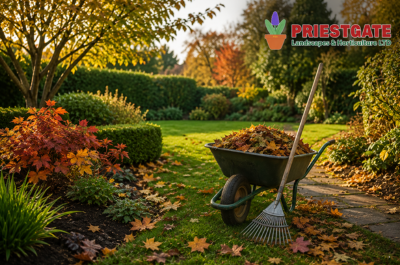
As summer begins to draw to a close, late August and September provide an important window for getting gardens ready for autumn and the colder months ahead.
It can be tempting to leave many gardening jobs until everything has stopped growing, but doing some preparation now can make maintaining the garden through autumn and winter much easier — while also helping plants and lawns get off to a stronger start next spring.
Give Hedges a Final Tidy
Late summer is a good opportunity to tidy many established hedges and remove untidy seasonal growth. A well-timed cut can help hedges retain their shape through the winter.
Before cutting, always check carefully for active bird nests and consider the particular hedge species, as not every plant should be treated in the same way.
Start Looking at Your Lawn
After a summer of regular use, dry spells and periods of rapid growth, lawns can often look tired by the end of August.
Early autumn is one of the best periods for lawn renovation. Depending on its condition, this could include scarifying, aerating compacted areas, overseeding bare patches and applying an appropriate autumn lawn feed.
The combination of warm soil and increasing moisture can provide excellent conditions for grass recovery.
Tidy Borders — But Don't Overdo It
Removing weeds, spent annuals and diseased or badly damaged material will help keep borders manageable, but there's no need to make every area completely spotless.
Leaving some suitable seed heads and vegetation can provide food and shelter for wildlife through autumn and winter.
Think Ahead With Planting
Autumn is an excellent planting season for many trees, shrubs, perennials and spring-flowering bulbs.
As temperatures fall, plants generally experience less stress while the soil often remains warm enough for roots to establish. Getting plants into the ground during autumn can give them a valuable head start before the following growing season.
Keep on Top of Fallen Leaves
As leaf fall increases, regularly remove heavy accumulations from lawns and paths. Leaves left sitting on grass for prolonged periods can block light and create damp conditions underneath.
They don't necessarily need to go to waste, though. Where practical, collected leaves can be composted or used to produce leaf mould — a useful material for improving soil and mulching.
Check Drainage Before the Wetter Weather
Autumn rainfall can quickly expose drainage problems that weren't particularly noticeable during summer.
Now is a sensible time to clear gullies and drainage channels, check that water can escape from patios and paths, and deal with areas where water regularly collects.
A Little Work Now Pays Off Later
Autumn garden preparation isn't about putting the garden to bed as quickly as possible. It's about managing the gradual change of season.
A few well-timed jobs during late August and September can protect lawns and plants, reduce winter maintenance and help create better conditions for the garden when growth begins again next spring.
Priestgate Landscapes & Horticulture Ltd
Professional horticultural and landscaping advice






Latest News